Choosing Blinds in Australia: What to Consider
Wiki Article
The Secret Layer Blinds: How They Can Reduce Your Energy Bills By Half
We tend to focus on the main items in our quest for comfort at home: the reverse cycle AC as well as the ceiling insulation, and the high-performance refrigerator. Many times, it is overlooked that your window blinds can be an extremely effective player in the realm of energy efficiency. Blinds on windows can be the greatest culprit of unwanted heat gain or loss in our frequently humid and hot climate. It's not just about style and privacy when you take care to protect windows with the right furniture. It also improves your home's energy efficiency, that has a significant impact on your wallet. The secret lies not in the fabric that you see, but in the hidden design that was created to catch reflection, absorb, and to insulate.
Understanding the issue as well as the physics behind the window, is vital to understanding the opportunity. Glass is a terrible insulator. In summer, it acts as a magnifying glass, which allows shortwave solar radiation be absorbed by your house, where it gets absorption by your furniture and floors and re-radiated as longwave heat. It is then being trapped within the house, causing the infamous greenhouse effect. In winter it's the other way around; the precious warmth of your heater is lost directly through the glass. Blinds that are single-layer, a basic piece of fabric or vinyl--offer just a tiny barrier. They might block the reflection, but they do not do much to block the convective transfer of heat. Design concepts that mix convection with reflective technology are the real winners.
The unsung heroes for the efficiency of your home are two types of blinds: honeycomb (or cell) blinds, and the thermally-backed roll-up blinds.
The Reflective Shield is designed for Thermal-Backed Roller Blinds
Think of them as an foil bag that is insulated. The inclusion of a very thin layer, typically metallic, and bonded to fabric's back can transform a standard blockout blind into a thermal powerhouse. This layer is essential. This reflective coating faces outward during summer when the blinds are lowered. It functions as an reflective coating, reflecting the majority of the radiant sunlight's heat away from the glass prior to it gets there. It's a powerful, proactive measure. In winter it works opposite. When the blind is open, the reflective layer faces the room. Heat radiation will be reflected back in by the reflective material. It's simple and elegant, and yet extremely effective. It transforms the traditional blind into a powerful climate control device. Find products that say their "Total Solar Energy Rejected", or TSER, percent. A good thermal-backed window blind can block more than 70% of solar heat.
Honeycomb Blinds (Cellular Blinds) The Insulating Trap
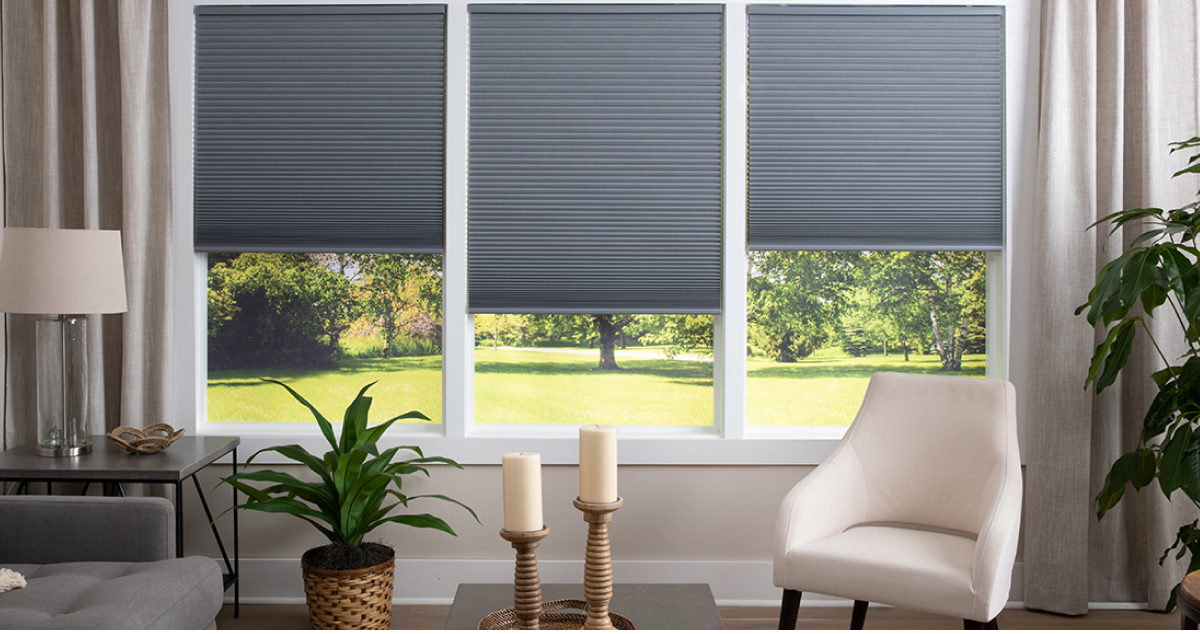
Honeycomb blinds are insulated due to their brilliant structure. Blinds with thermal reflect light, but honeycomb blinds provide insulation. Honeycomb blinds' hexagonal cells which resemble beehives, go beyond simply an aesthetic feature. They also function as miniature insulations. These vertical columns of fabric are able to trap pockets of still, untouched air when the blinds are lowered. Static air is nature's most efficient insulator. This is the basis for double-glazed windows as well as cavity wall insulation. The air pockets that are trapped create a powerful buffer zone between the window glass and your living space. These air pockets dramatically hinder heat transfer both ways. When there is a heatwave, blistering temperature of the glass is slower to warm the air inside the cells, which in turn slows the warming of your living space. The glass's icy temperature will keep your space warm on the coldest of days. The effectiveness is further enhanced in double-cell designs, which have two layers of cells stacked to create a deeper, more effective air barrier. Honeycomb blinds are an excellent choice for dual-season usage. They're equally effective at keeping heat out and in.
To maximize the energy savings potential, it is not enough to purchase the best product. It requires a strategic approach to use. The sealing of the product is crucial. The efficiency of the seal is reduced in the event of gaps. A professional measurement and installation process is required. A blind that is installed correctly in a window recess or an inside mount provides a better seal than one that hangs out from the frame. For face-fit installations side channels are added to aid in the installation and eliminate air and light gaps. The operation is equally vital. The blinds need to be completely lowered during peak heating times in order to block the summer sun. Close them when the sun sets can ensure that you stay warm during the cold winter months.
When consulting with suppliers, shift the conversation from just colour and cost-per-square-metre. Asking technical questions will uncover the real-time performance.
The logic behind the financials is convincing. While the upfront cost for quality thermal or honeycomb blinds is greater than basic models, they should be considered a long-term investment, not an expense. The lower work load, and consequently the operating expenses of your heating or cooling system can be significant. Through the life of blinds (which could last for 10 years or more), the savings in energy bills will pay for the blinds. This isn't just blinds for windows, but it's also a less frequent, smaller energy bill.
The selection of energy-efficient blinds for windows is a crucial step in creating a sustainable and resilient Australian home. A smart design is essential to working with Australia's challenging climate, and not battling it with brute force air conditioning. It allows for a more peaceful and more comfortable living space with less drafts and more constant temperatures. The invisible insulation layer inside the blinds is a fantastic option to boost the efficiency of your household and comfort, particularly in a period when energy costs are on the rise and environmental awareness is growing. It's a simple upgrade that pays off season after season in the comfort of your home and also in money. Follow the best blinds for blog recommendations including cheap blinds australia, all the blinds, premium quality blinds, you blinds, cheap blinds australia, direct online blinds, custom blinds direct, local blind suppliers, blinds made, custom blinds australia and more.

The Fine Print Promise: Decoding Warranties That Aren't Visible Before You Purchase
The warranty is usually lost in the end of choosing blinds for the house. Fabric samples are compared and quotes are compared. It's usually presented as an assurance of final quality and badge that demonstrates the quality. In reality, though, a contract of warranty doesn't guarantee satisfaction. It merely outlines the limits of a supplier’s responsibility. Knowing the specifics of blinds -- a product that combines textiles, electronics, and mechanics and is exposed to harsh Australian sunlight and salt every day -- could mean the difference between protecting your investment or having to learn an expensive lesson. The true worth of a warranty is not the length of time it lasts however, but in the scope of what it covers.
The most common mistake is to focus solely on duration. The phrase "5-year warranty" is impressive, but doesn't explain exactly what's covered. A robust warranty will separate the coverage into distinct categories since every component is susceptible to failure in a variety of ways. The warranty for fabric or materials should be able to cover manufacturing flaws, such as defective weaves or delamination. But, it must be able to ensure against premature discoloration. For Australia it is essential. Avoid vague language and look for a warranty that is clearly stated. This warranty is void if the fabric is used for outdoor use or in persistently damp, unventilated areas, highlighting the connection between the climate you choose and the coverage you get.
Separately, the mechanical components warranty covers the parts that work such as the mechanism for rolling in a blind roller, the tilt and lift mechanisms in Venetians as well as the ladders and cords. It is required to cover any breakage caused by material fatigue or manufacturing defect under normal use. The warranty should not be invalidated if normal maintenance or cleaning is done in accordance with manufacturer's instructions. It is also possible to obtain an electronic or motor warranty on systems that are automated. This is often the least expensive of three (commonly 2-3 years, even if the fabric is 5) and reflects more complex technology. It must cover all the components that include the motor, receivers and any wiring.
List of conditions and exclusions is among the most crucial, yet often neglected parts of the warranty. Your obligations are outlined here. There are a few common exceptions to invalidate the warranty
Installation by anyone other than the installer who is authorized. This is a critical point. A DIY installation can cause a warranty to be invalidated even if the installation is completed well, as the manufacturer cannot warrant the conditions of operation or stresses on the components.
Improper usage or maintenance. Using abrasive cleaners, forcing an unbalanced blind to open or not addressing any tangles in the cords could be considered as misuse.
The terms 'fair use and wear' as well as "gradual loss of performance" are used to deflect claims of mechanisms that are worn out due to heavy usage.
Fading or damage caused by extreme weather conditions. If you put up a blind with a coastal rating directly facing the ocean, the rapid corrosion of your blind will likely not be protected.
The warranty is therefore not a stand-alone document. It is directly tied to the quality of installation as well as the after-sales service provided by the supplier. A warranty offered by a long-established, reputable local store is far superior to a comparable warranty offered by a transient, online retailer. Local suppliers are located in a physical space and employ their own installers, whose work is covered and they have a direct relationship to the manufacturer in order to resolve any claims. To safeguard their reputation, they are encouraged to honour the warranty. It is often difficult to submit a claim on behalf of an organization that is located far away. There are call centres and upload photographs. The tech may not arrive.
Answering specific questions is the most effective way to get the answers you need from your suppliers. Ask: "Can we see the warranty of my product prior to making a contract?" Does the fade warranty apply to the color I chose, and if so what is the minimum threshold to be an effective warranty claim What happens when an electric motor fails during the second year of use? Does the unit need to be replaced on-site or does it need to be shipped to a regional service centre?
Australian Consumer Law (ACL), regardless of the manufacturer's warranty, also guarantees your purchase. ACL stipulates that all goods are of a reasonable value, appropriate for their intended purpose, and conform to their description. This can provide protection beyond the time of the warranty's expiration when a product experiences an extreme failure that could not be expected to occur for the price paid. ACL may be more complicated than a standard warranty claim.
The quality of a guarantee is an indication that the company believes in his product and tested it for Australian conditions. It is your formal safeguard against flaws that are inherent to the product. It's not a rule that covers every issue. Its strength is accessed when you pair it with a supplier that has proven reliability who will ensure that the installation is done correctly and serves in your corner. You do not only want a legitimate warranty, but a path that is realistic to follow in the unlikely possibility of an issue. This is vital in the Australian market, where products are subjected to some of the most extreme sun conditions on the planet. It turns a marketing promise into a tangible and concrete promise to give security.